Hidden beneath the waves of Alexandria’s Eastern Harbour, Cleopatra’s Palace is one of Egypt’s most fascinating underwater archaeological sites. Believed to have been part of the ancient city’s royal quarters, this sunken wonder features statues, columns, and artifacts from the Ptolemaic era, offering a glimpse into the legendary queen’s world. Today, adventurous divers can explore this submerged palace, making it a must-visit for history lovers and underwater explorers alike.
What Happened to Cleopatra's Palace in Alexandria?
The story of cleopatras palace underwater alexandria egypt is connected to the ancient Royal Quarter of Alexandria, once one of the most prestigious areas of the Ptolemaic capital. This waterfront district contained palaces, temples, ceremonial spaces, harbors, and other structures associated with Egypt’s rulers.
Over centuries, parts of the ancient shoreline disappeared beneath the Mediterranean Sea. Earthquakes, gradual land subsidence, changes in sea level, and instability in Alexandria’s coastal geology contributed to the submergence of sections of the ancient city.
Today, underwater archaeological remains in Alexandria’s Eastern Harbour include architectural blocks, columns, statues, sphinxes, pavements, harbor structures, and ruins associated with the ancient royal district.
Although the site is popularly called Cleopatra's underwater palace, archaeologists are more cautious about identifying individual submerged structures as a single, completely preserved palace belonging exclusively to Cleopatra VII. Instead, the discoveries are understood as parts of the broader Ptolemaic and Roman royal quarter in which Cleopatra lived and ruled.
Where Is Cleopatra's Palace Underwater Located?
For travelers asking where is cleopatra's palace, the underwater remains traditionally associated with Cleopatra’s royal residence are located in Alexandria’s Eastern Harbour on Egypt’s Mediterranean coast.
The ancient royal district occupied the shoreline around the eastern side of the historic harbor. One of the most important submerged locations is associated with Antirhodos, an ancient island mentioned in historical accounts as part of Alexandria’s royal quarter.
The Eastern Harbour today extends between the area around Cape Silsila on its eastern side and the Qaitbay Citadel area toward the west.
Much of the ancient shoreline no longer matches the modern coast. Archaeological surveys have revealed submerged:
- Quays and harbor installations.
- Architectural foundations.
- Columns and column bases.
- Statues and sphinxes.
- Ancient streets and paved areas.
- Royal and religious structures.
This means cleopatra's palace alexandria egypt should be understood within a much larger underwater archaeological landscape rather than as a single isolated building beneath the sea.
Is Cleopatra's Palace Really Underwater in Alexandria?
Yes, significant remains of Alexandria’s ancient royal quarter are underwater today.
Underwater archaeological surveys have identified structures associated with the Ptolemaic royal district, including remains around Antirhodos and other sections of the Eastern Harbour.
However, the popular phrase cleopatras sunken palace can create the impression that an intact palace suddenly sank and remains perfectly preserved beneath the water. The archaeological reality is more complex.
The seabed contains scattered and partially preserved remains of buildings, monuments, harbor installations, statues, and architectural elements from different periods of Alexandria’s history.
Some of these ruins are believed to have belonged to the royal quarter where Cleopatra VII lived during the final decades of Ptolemaic rule.
Cleopatra ruled Egypt from 51 BC until 30 BC and made Alexandria the center of her government. Her association with the submerged royal district is therefore historically credible, even though identifying every individual structure as belonging directly to her personal palace is difficult.
The History of Cleopatra's Royal Palace
Alexandria became Egypt’s capital under the Ptolemaic dynasty after the city was founded by Alexander the Great in 331 BC.
The Ptolemies transformed Alexandria into one of the ancient Mediterranean world’s leading political, intellectual, commercial, and cultural centers.
Its royal quarter occupied a prestigious waterfront location and contained multiple buildings rather than a single palace. Ancient sources describe an extensive palace district that developed over generations of Ptolemaic rulers.
Visitors often ask what did cleopatra's palace look like, but no complete reconstruction can be considered certain. Archaeological evidence and ancient descriptions suggest that the royal area likely featured monumental architecture, courtyards, columns, ceremonial spaces, gardens, temples, waterfront structures, and direct access to royal harbors.
Materials associated with elite Alexandrian architecture included limestone, granite, and marble.
The royal district was also linked to important religious buildings and political spaces. Cleopatra VII would have inherited and occupied a palace complex that had been expanded by previous Ptolemaic monarchs rather than constructing an entirely new royal residence from the beginning.
Its waterfront position gave the royal family immediate access to the Mediterranean and helped emphasize Alexandria’s role as an international maritime capital.
Why Did Cleopatra's Palace Sink Into the Sea?
There was probably no single event responsible for the disappearance of Alexandria’s royal quarter beneath the Mediterranean.
Instead, researchers generally associate the submergence with a combination of geological and environmental processes occurring over centuries.
Important factors include:
- Earthquakes.
- Land subsidence.
- Coastal erosion.
- Rising relative sea levels.
- Instability of water-saturated coastal sediments.
- Changes to Alexandria’s ancient shoreline.
Alexandria experienced several significant earthquakes during antiquity and the medieval period. Earthquakes could damage buildings directly while also accelerating the collapse or subsidence of unstable coastal land.
Parts of the ancient city had been constructed near harbors and reclaimed coastal areas, making some sections particularly vulnerable.
As the coastline changed, structures that once stood above water gradually became submerged. This process explains why archaeologists today find parts of ancient Alexandria several meters below the Mediterranean.
How Was Cleopatra's Palace Discovered Underwater?
Alexandria’s submerged antiquities were known in some form for generations, particularly among local fishermen and divers, but systematic underwater archaeological investigation expanded substantially during the twentieth century.
Important early discoveries were made by Egyptian diver and researcher Kamel Abu El-Saadat, who documented underwater monuments and archaeological material around Alexandria during the 1960s.
More extensive archaeological mapping followed during the 1990s.
Teams of marine archaeologists used techniques such as:
- Underwater surveying.
- Sonar.
- Photographic documentation.
- Topographic mapping.
- Diving investigations.
- Geophysical scanning.
These surveys revealed the ancient coastline, harbor installations, submerged islands, architectural remains, and monumental objects.
One of the most significant achievements was the identification and mapping of Antirhodos and other elements associated with ancient Alexandria’s royal harbor.
These discoveries transformed archaeological understanding of the ancient city because researchers were able to study areas described in historical texts but hidden beneath the sea for centuries.
What Can You See at Cleopatra's Palace Underwater?
The underwater remains associated with Alexandria’s royal quarter do not resemble a complete palace with standing walls, furnished rooms, and intact roofs.
Instead, divers encounter an archaeological landscape scattered across the seabed.
Potential features include:
- Large stone columns.
- Column bases and capitals.
- Granite architectural elements.
- Stone platforms.
- Ancient pavement.
- Building foundations.
- Sphinx sculptures.
- Statues.
- Harbor installations.
- Pottery and archaeological fragments.
- Remains of ancient ships.
Some of the most memorable objects are monumental stone pieces resting underwater, creating an unusual combination of archaeology and marine scenery.
The visibility and exact objects accessible during a dive can vary according to sea conditions, archaeological restrictions, and which areas are open to recreational diving.
The importance of Cleopatra's underwater palace therefore comes less from seeing one intact royal building and more from exploring physical remains of the ancient Ptolemaic capital where Cleopatra lived.
Is Cleopatra's Palace Part of the Sunken City of Alexandria?
Yes. The remains associated with Cleopatra’s royal quarter form part of the much larger submerged archaeological landscape around ancient Alexandria.
Sections of the ancient city now lie underwater around the Eastern Harbour and other coastal areas.
These submerged zones should not be confused with Thonis-Heracleion and Canopus, two other important ancient cities discovered underwater in Abu Qir Bay east of Alexandria.
Within Alexandria itself, the Eastern Harbour was especially important because it included royal, administrative, ceremonial, maritime, and religious structures.
The submerged royal district represents only one part of this enormous archaeological environment.
Other underwater areas around Alexandria contain:
- Remains associated with the ancient harbor.
- Shipwrecks.
- Temple structures.
- Ancient quarries.
- Harbor installations.
- Statues.
- Architectural blocks.
- Remains connected with the famous Pharos.
Together, these discoveries help archaeologists reconstruct how dramatically the ancient coastline differed from modern Alexandria.
Can Tourists Visit Cleopatra's Palace Underwater?
There is no conventional archaeological attraction where visitors can walk through cleopatras sunken palace in the way they might tour a land-based temple or palace.
The remains are underwater archaeological sites, and access can depend on government regulations, diving permissions, archaeological activity, sea conditions, and the availability of licensed diving operators.
Some underwater locations around Alexandria have historically been accessible through organized recreational dives.
However, travelers should confirm current accessibility before making plans because underwater archaeological sites may temporarily or permanently have restrictions designed to protect cultural heritage.
Visitors who do not dive can still learn about Alexandria’s submerged history through museums and archaeological displays throughout the city.
Artifacts recovered from underwater excavations provide a much easier way for most tourists to experience this fascinating part of Alexandria’s past.
Can You Scuba Dive to See Cleopatra's Palace?
Scuba diving has historically been one way to explore archaeological remains within Alexandria’s Eastern Harbour.
Some sites associated with the royal quarter are relatively shallow compared with deep-water wreck diving, which can make them accessible to suitably qualified recreational divers when officially permitted.
A typical archaeological dive may provide views of:
- Columns.
- Sphinxes.
- Architectural blocks.
- Pavements.
- Stone foundations.
- Ancient harbor remains.
Divers should not expect exceptionally clear tropical-water visibility. Alexandria is a busy Mediterranean coastal city, and underwater visibility can change significantly with weather, currents, waves, sediment, and seasonal conditions.
Diving at archaeological sites also requires responsible behavior. Divers should never remove, move, touch unnecessarily, or damage archaeological objects.
Anyone planning to dive should use an authorized operator familiar with local archaeological zones and current Egyptian regulations.
Where Can You See Underwater Archaeological Discoveries in Alexandria?
Alexandria contains several locations connected with underwater archaeology.
The Eastern Harbour is especially significant because it contains the ancient royal port and submerged portions of the Ptolemaic royal quarter.
Near Qaitbay Citadel, another major underwater archaeological zone contains thousands of architectural objects. Some are associated with monumental structures from ancient Alexandria, including remains traditionally linked to the famous alexandria lighthouse, or Pharos of Alexandria.
The Pharos was one of the Seven Wonders of the Ancient World and once stood on the island of Pharos near the entrance to Alexandria’s harbor.
Other important underwater archaeological areas include:
- Eastern Harbour.
- Qaitbay Citadel underwater zone.
- Shatby.
- Abu Qir Bay.
- Canopus.
- Thonis-Heracleion.
Visitors who prefer museums can see artifacts recovered from submerged archaeological sites in Alexandria’s museum collections.
Alexandria National Museum includes important material connected with underwater discoveries, while Kom El-Dikka also displays archaeological objects recovered from the submerged ancient city.
How Deep Is Cleopatra's Palace Underwater?
The depth varies depending on the particular section of Alexandria’s submerged royal quarter being examined.
Much of the Eastern Harbour archaeological landscape lies in relatively shallow water. Different archaeological zones can range from approximately 2 meters to around 8 meters deep.
Sites commonly associated with the palace area and Antirhodos are often described as lying at around 5 meters underwater.
This relatively shallow depth has helped archaeologists conduct extensive mapping and documentation of the area.
However, shallow depth does not mean visitors should attempt to reach archaeological ruins independently. Harbor conditions, boat traffic, poor visibility, currents, protected archaeological zones, and submerged structures can create serious risks.
Underwater archaeological exploration should always take place through authorized and appropriately equipped operations.
What Is the Best Time to Explore Alexandria's Underwater Ruins?
The best conditions for diving around Alexandria depend more on daily sea and weather conditions than on a single guaranteed month.
Generally, calmer Mediterranean weather can provide better opportunities for underwater exploration.
Late spring through early autumn can offer warmer water temperatures, although Alexandria becomes busy during the summer.
Divers should consider:
- Sea conditions.
- Underwater visibility.
- Wind strength.
- Water temperature.
- Local diving schedules.
- Archaeological access restrictions.
Morning departures may sometimes offer calmer conditions, although this depends entirely on the weather.
Winter diving is also possible under suitable conditions, but the Mediterranean can experience stronger winds, waves, and cooler water.
Because visibility around archaeological locations can change rapidly, travelers should speak with a local authorized diving operator shortly before their planned excursion rather than relying entirely on seasonal averages.
How to Book an Underwater Archaeology Tour in Alexandria
Travelers interested in underwater archaeology should look specifically for licensed Alexandria diving operators with experience at archaeological sites.
Before booking, ask whether the operator currently has authorization to visit the specific archaeological location you want to see.
Important questions include:
- Is the underwater archaeological site currently open?
- Which archaeological site will the dive visit?
- Is scuba certification required?
- What certification level is accepted?
- What is the maximum depth?
- Is diving equipment included?
- How many divers are assigned to each guide?
- Are archaeological permits included?
- What happens if weather conditions cancel the dive?
- Are non-divers able to join the boat?
- Are photography or video restrictions in place?
Do not assume that every operator offering recreational diving in Alexandria can take visitors to protected archaeological zones.
Travelers specifically looking for cleopatra's palace alexandria egypt should clarify whether the excursion enters the royal-quarter archaeological area rather than simply offering a general coastal dive.
Cleopatra's Palace Underwater vs. Other Sunken Sites in Alexandria
Alexandria contains several different underwater archaeological environments, and they should not all be described as Cleopatra’s Palace.
Site
Main Significance
Typical Archaeological Features
Eastern Harbour / Royal Quarter
Ptolemaic royal and harbor district
Palace-related architecture, columns, statues, harbor installations
Antirhodos
Island associated with Alexandria’s royal quarter
Architectural remains and royal-period structures
Qaitbay underwater site
Area associated with ancient Pharos and later remains
Massive architectural blocks, columns, statues
Shatby
Submerged section of ancient Alexandria
Architectural elements, shipwreck evidence and coastal remains
Abu Qir Bay
Ancient cities and maritime archaeology
Temples, statues, settlements, shipwrecks
Thonis-Heracleion
Major ancient port city
Temples, monuments, inscriptions and harbor remains
Canopus
Ancient religious and settlement center
Buildings, sculptures and religious structures
The main difference is historical context.
The palace area belongs to the submerged royal district of Alexandria itself, while Thonis-Heracleion and Canopus were separate ancient settlements located farther east in Abu Qir Bay.
Likewise, the underwater zone near Qaitbay is particularly important for remains associated with the ancient alexandria lighthouse and other monuments that once occupied or surrounded the Pharos peninsula.
Tips for Visiting Alexandria's Underwater Archaeological Sites
Planning ahead is essential because underwater archaeological tourism differs significantly from visiting ordinary attractions.
First, verify whether recreational diving is currently permitted at your preferred site. Archaeological areas can close because of conservation work, research activity, weather, or regulatory changes.
Use only authorized diving operators and follow instructions from professional guides.
Other useful tips include:
- Bring proof of scuba certification when required.
- Avoid touching archaeological objects.
- Never remove anything from the seabed.
- Follow local photography regulations.
- Allow flexibility for weather cancellations.
- Ask about underwater visibility before departure.
- Wear an appropriate wetsuit for the season.
- Book archaeological dives separately from ordinary reef or recreational dives.
- Combine the experience with Alexandria’s museums for greater historical context.
Anyone fascinated by cleopatras palace underwater alexandria egypt should also keep expectations realistic. The experience is not about swimming through a perfectly preserved palace. It is an opportunity to see the submerged remains of the ancient royal landscape in which Cleopatra VII lived and ruled.
For visitors wondering what did cleopatra's palace look like, underwater archaeology provides valuable clues through columns, pavements, monumental sculpture, foundations, and harbor infrastructure. Combined with ancient historical accounts, these discoveries are gradually helping researchers reconstruct one of the most famous royal districts of the ancient Mediterranean world.
Recommendation Cleopatra’s Palace Underwater, Alexandria, Egypt
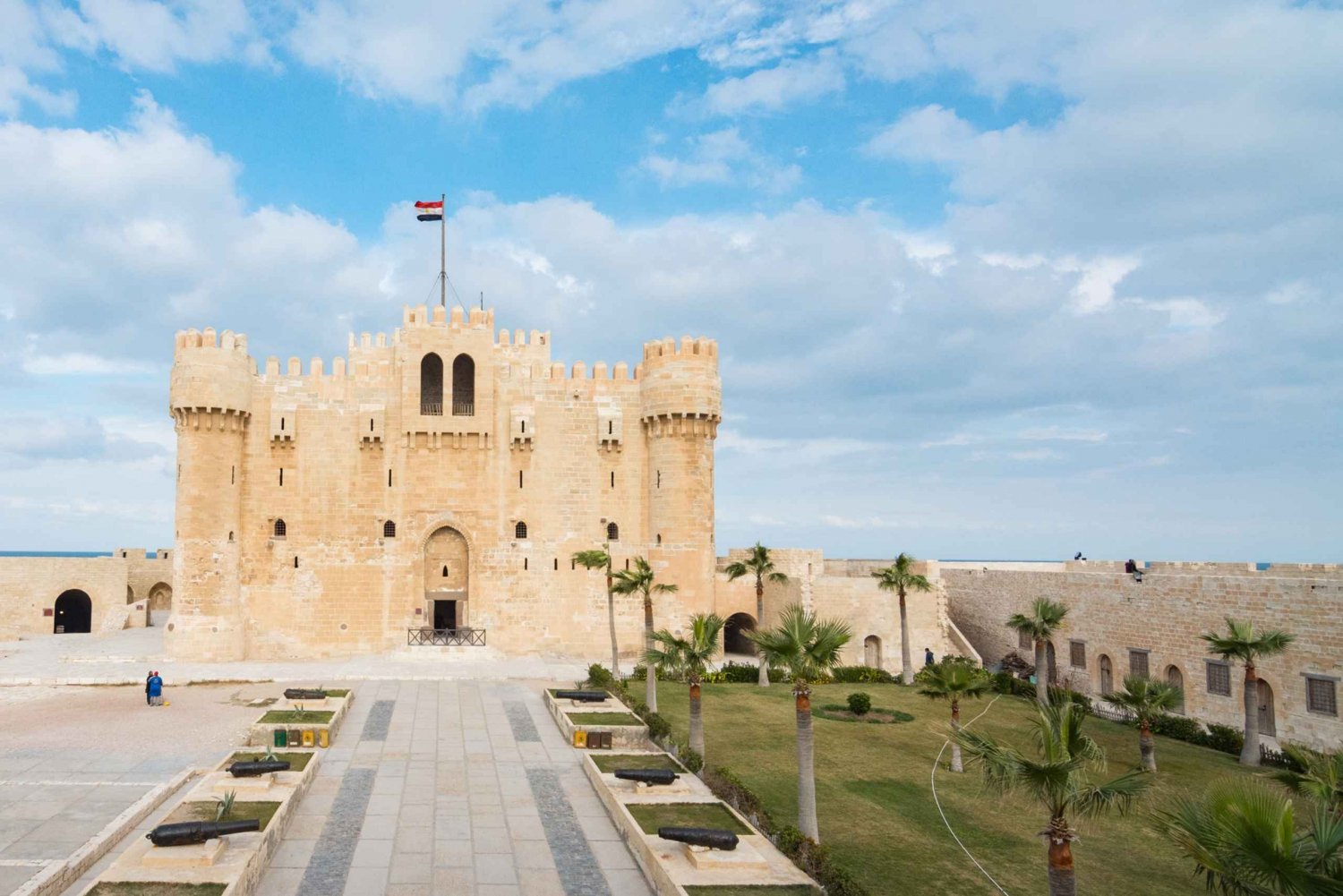
From exploring the legendary Catacombs of Kom El Shoqafa and Pompey’s Pillar to marveling at the iconic Bibliotheca Alexandrina, this short getaway is packed with unforgettable experiences. Enjoy fresh Mediterranean seafood, stroll along the scenic Corniche, and soak in the city's unique atmosphere before heading back to Cairo. View Tour Details
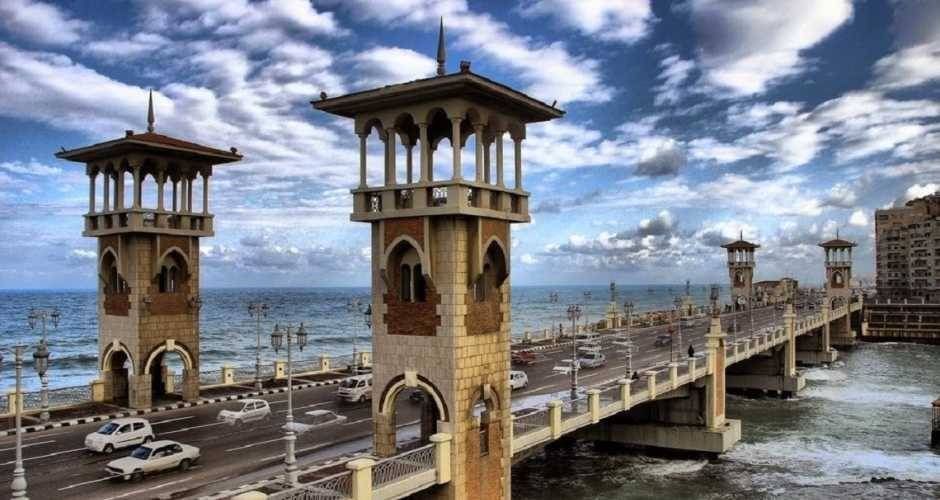
Alexandria serves as a perfect starting point for exploring nearby archaeological treasures. Within a short drive, you can visit the Rosetta (Rashid) ruins, where the Rosetta Stone was discovered, or explore the ancient temples of Abu Qir.For a deeper dive into history, take a trip to El Alamein, known for its World War II battlefields and museums, or venture to Taposiris Magna, an ancient temple rumored to hold Cleopatra's tomb. View Tour Details
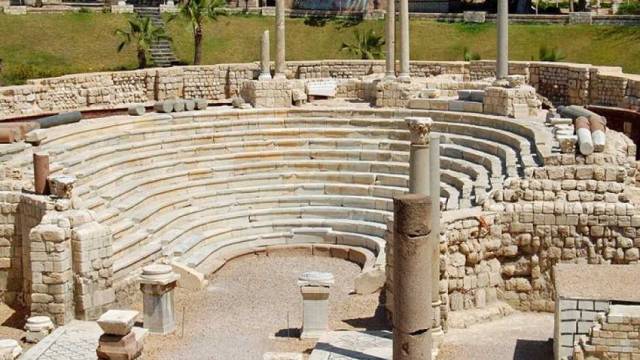
Discover the magic of Alexandria on a day tour that brings its rich history to life. Walk in the footsteps of legends as you visit the iconic Bibliotheca Alexandrina, the majestic Citadel of Qaitbay, and the mysterious Catacombs of Kom El Shoqafa.Enjoy the city’s vibrant atmosphere, scenic Corniche, and delicious seafood as you soak in the essence of this Mediterranean gem. With its blend of ancient wonders and modern charm, Alexandria promises an unforgettable day of exploration.View Tour Details

Discover the flavors of Alexandria on a food-focused day tour! Savor the city's renowned Mediterranean seafood, enjoy freshly baked Alexandrian feteer, and sample local favorites like falafel and koshary.Stroll through bustling markets, dine at charming seaside restaurants, and sip on a refreshing glass of sugarcane juice or hibiscus tea. From street food delights to fine dining, Alexandria offers a feast for the senses and a taste of its rich cultural heritage. View Tour Details
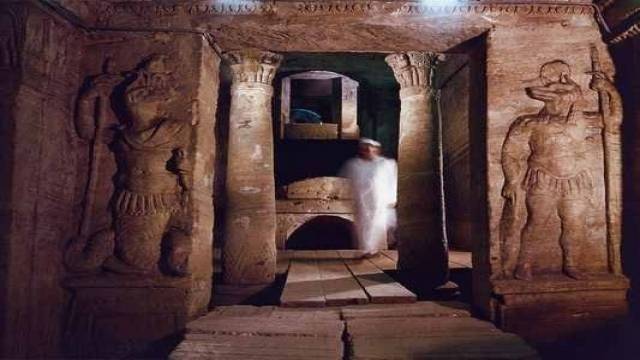
Step into the eerie and enigmatic side of Alexandria on a tour that explores its ghosts and mysteries. Discover the haunting tales of the Catacombs of Kom El Shoqafa, wander through the shadowy halls of ancient ruins, and uncover secrets tied to Cleopatra’s lost tomb.From whispers of ancient curses to stories of supernatural sightings, this unique tour blends history with intrigue, offering a spine-tingling experience of Alexandria's mysterious past. View Tour Details

Explore the vibrant markets and unique boutiques of Alexandria on a shopping tour that combines culture with retail therapy. Wander through traditional souks like El Attareen, famous for antiques and handcrafted treasures, or shop for spices, jewelry, and textiles at bustling local bazaars.For a modern twist, visit stylish malls or boutique shops offering contemporary Egyptian fashion and artisanal goods. Complete your day with a stroll along the Corniche, where you can find unique souvenirs to remember your Alexandria adventure. View Tour Details
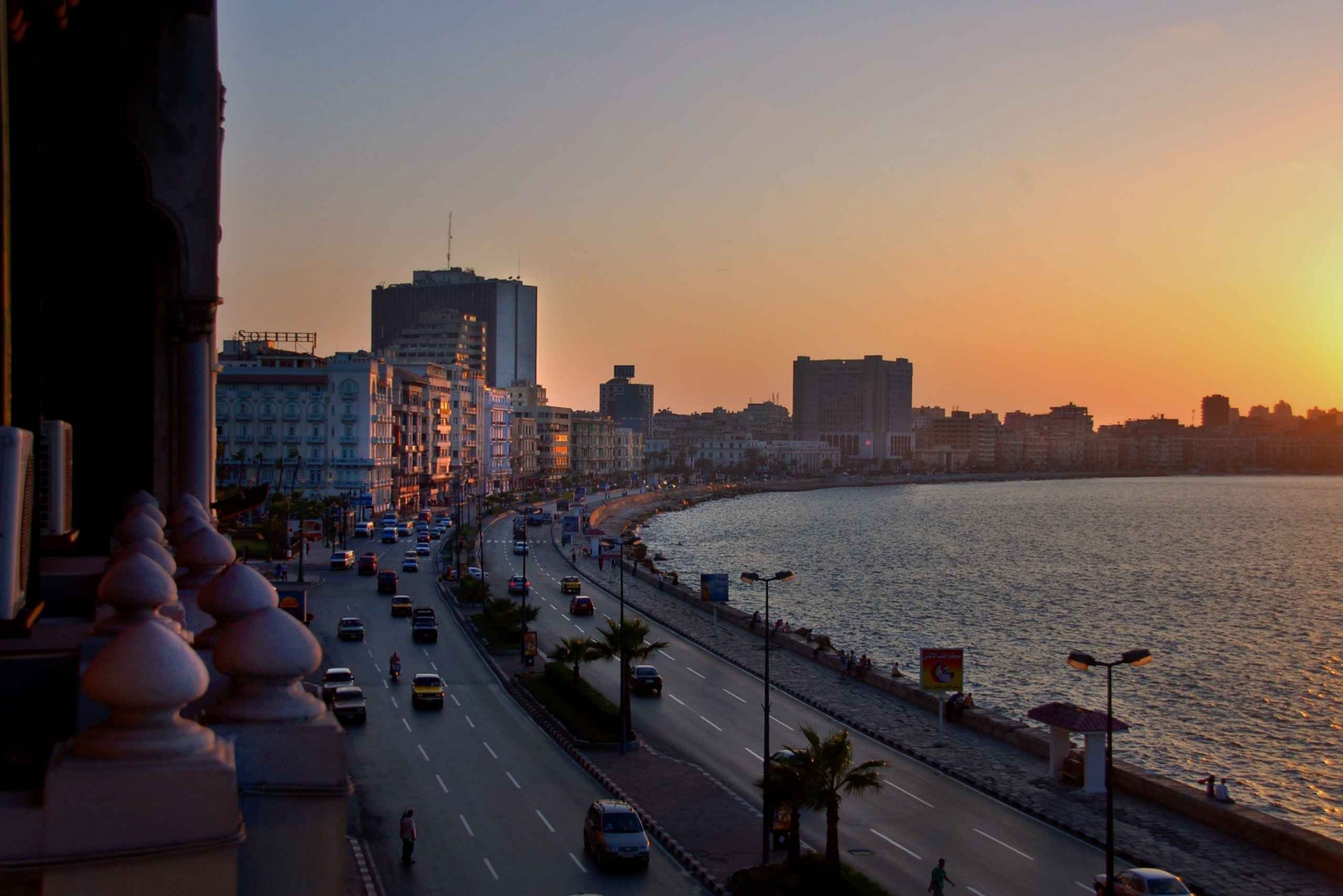
experience the magic of Alexandria after dark on a night tour that reveals the city in a new light. Stroll along the glittering Corniche, admire the illuminated Citadel of Qaitbay, and enjoy the serene beauty of the Mediterranean coastline.Discover the city's lively nightlife with stops at bustling cafes, charming local markets, or waterfront restaurants serving fresh seafood. Alexandria’s history and charm shine brightest under the night sky, making it a memorable experience for all. View Tour Details

Journey from Alexandria to the serene desert region of Wadi El Natrun, a spiritual hub with ancient Coptic monasteries. Explore the Monastery of St. Macarius, St. Bishoy, and the Syrian Monastery, each steeped in history and tradition.Learn about the origins of monastic life, admire stunning frescoes, and experience the tranquility of these sacred sites. This day tour offers a unique blend of history, spirituality, and cultural heritage, just a short drive from Alexandria. View Tour Details


